Cyclone season brings intense winds, heavy rain and saturated ground conditions that place enormous stress on trees across South East Queensland. For property owners, the risks aren’t limited to fallen branches: unstable trees can damage homes, block access roads, bring down power lines and create serious safety hazards. For residents thinking ahead about tree removal in Tamborine Mountain, early awareness and preparation are key. At Lance’s Tree Care, we regularly help homeowners identify hidden tree risks before storms arrive, reducing the likelihood of avoidable damage and improving safety when severe weather hits.
Understanding how trees fail during cyclones, recognising early warning signs and knowing when to seek professional help can make a critical difference. Not just to your property, but to the safety of everyone on
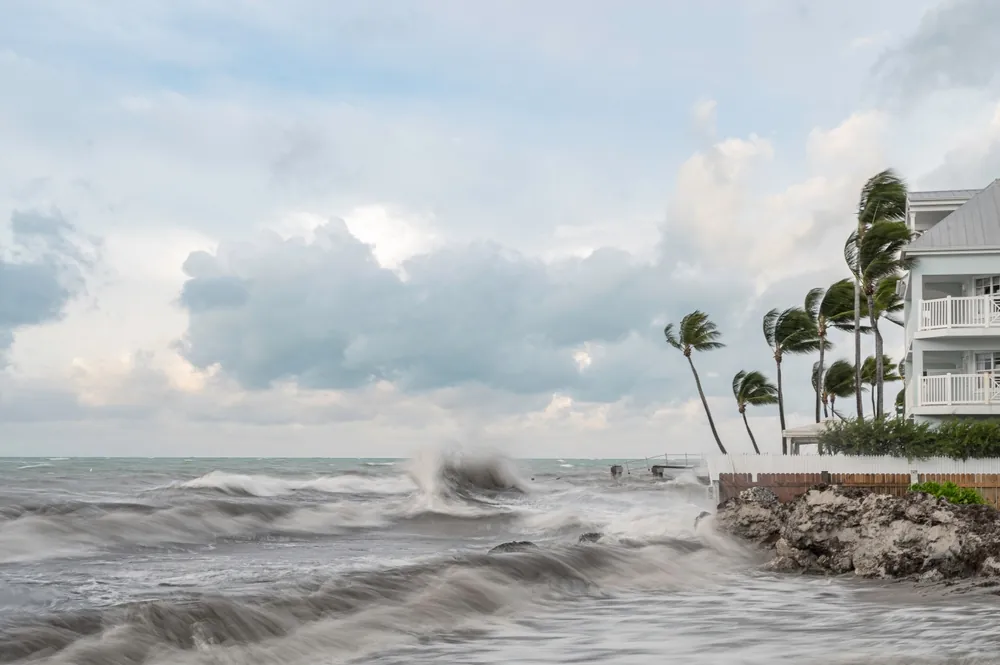
Identifying potential tree hazards before cyclone season allows homeowners to act early rather than react during an emergency. Many tree failures are predictable well before the first strong winds arrive, but the warning signs are often overlooked or misunderstood. Learning how to recognise instability early helps reduce the likelihood of sudden tree collapse when conditions worsen.
Trees rarely fail without warning. Structural weakness, disease and root damage often develop gradually, but during cyclone season these issues are amplified by extreme wind forces and saturated soil, significantly increasing the risk of failure. If one or more signs are present, the tree may be structurally compromised and far more likely to fail during a cyclone. Common warning signs include:
Some tree species are naturally more vulnerable to cyclone damage due to shallow root systems, brittle timber or rapid growth habits. While healthy trees of any species can survive storms, understanding how certain types respond to extreme wind and saturated soil allows for smarter planning and targeted maintenance. Common cyclone-vulnerable species are:
Many dangerous tree conditions are not visible from the ground. Internal decay, root instability and structural imbalances often require professional assessment to identify accurately. A pre-storm arborist inspection provides peace of mind and helps prioritise which trees need attention before severe weather arrives. Early assessment allows time for corrective action rather than emergency response. You should consider a professional assessment if:
Preventative tree care is one of the most effective ways to minimise cyclone damage. By reducing weight, improving structure and securing vulnerable trees, homeowners can significantly lower the likelihood of trees or branches failing during storms. Proactive maintenance is far safer, more cost-effective and less stressful than dealing with storm aftermath.
Strategic pruning reduces wind resistance and improves a tree’s overall balance. Removing excess weight from the canopy helps prevent branches from snapping or entire trees from uprooting under strong gusts. Poor or excessive pruning can actually increase risk, which is why professional techniques matter. Effective pre-cyclone pruning focuses on:
Young trees and recently planted specimens are vulnerable during cyclone season because their root systems are not yet fully established. Without support, they can tilt, snap or uproot even in moderate winds. Temporary support can make the difference between a tree surviving a cyclone or failing completely. Here are some helpful stabilisation measures:
Beyond tree maintenance, homeowners can take simple but important steps to reduce cyclone-related tree risks around their property. Preparation should always be done well before weather warnings escalate. Remember, small actions taken early can significantly reduce danger once conditions deteriorate. Steps include the following:
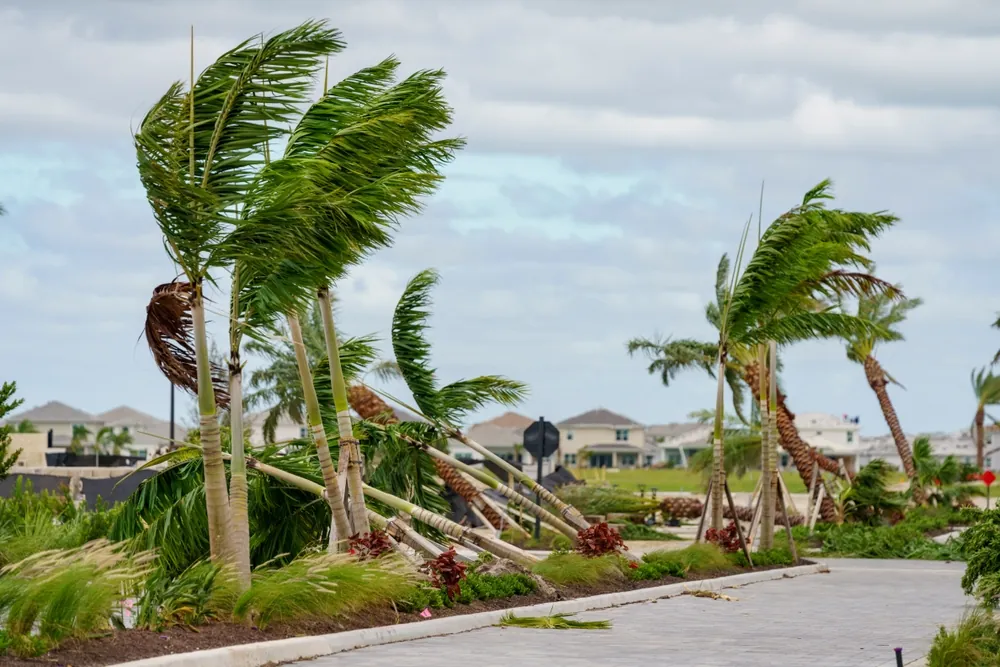
The aftermath of a cyclone can be deceptively dangerous, particularly when it comes to trees and large vegetation. Even after winds subside, saturated soil, broken root systems and internal damage can leave trees highly unstable. Understanding how to safely navigate post-cyclone tree hazards, assess responsibility and know when professional intervention is required is essential to avoiding injuries and preventing further damage during the recovery phase.
Assessing tree damage after a cyclone requires a cautious, measured approach. Storm forces can leave trees in unpredictable states, with limbs under tension, trunks weakened internally and roots loosened beneath the surface. What appears to be a stable tree or branch can shift suddenly without warning, especially as soil continues to settle and dry in the days following the storm. For this reason, post-cyclone assessments should always prioritise personal safety over speed or convenience. Remember these safety guidelines:
After a cyclone, confusion around responsibility is common, particularly when fallen or damaged trees affect multiple properties, public spaces or essential infrastructure. Knowing whether a tree falls under homeowner, council or utility responsibility helps streamline cleanup, insurance claims and emergency response. Acting without clarity can delay repairs or create liability issues, so understanding these distinctions early is important. General responsibility guidelines:
While minor debris may be manageable after smaller storms, cyclone-damaged trees often present complex and high-risk removal scenarios. Large limbs can be under pressure, trunks may be split internally and root plates may continue to shift long after the cyclone has passed. Attempting to remove these trees without proper training, equipment and experience greatly increases the risk of serious injury or further property damage. Emergency tree removal is recommended when:
Cyclone season places unique pressure on trees, and from our experience working with local properties, the most serious damage almost always comes from risks that were already present before the storm arrived. Proactive tree care isn’t just about protecting buildings; it’s about protecting people. Whether you need a pre-season safety assessment, strategic pruning or emergency tree removal after severe weather, our experienced team provides practical, safety-focused solutions tailored to local conditions. Contact Lance’s Tree Care today to book a professional tree inspection and ensure your property is prepared before the next cyclone season begins.


