Protecting native and heritage trees is a core responsibility of professional tree work, not an optional extra. Proper tree removal means carefully planning each job so necessary removals are completed without damaging irreplaceable trees that define the landscape. Here at Lance's Tree Care, we explain how professional removals are planned to protect high-value trees, from early site assessment and root-zone protection to safe work methods and regulatory coordination.
This article is for property owners, developers and land managers seeking tree removal in Tamborine Mountain who want work carried out responsibly, with respect for native vegetation and heritage trees. Older and ecologically significant trees cannot be replaced once damaged, and poor removal practices can compromise their health in a single day. Without careful planning, equipment control and site management, surrounding trees can suffer long-term stress, root damage or decline.
With this guide, you’ll gain a clear understanding of what responsible tree removal looks like when preserving the trees that matter most is the priority, not just getting a tree down.
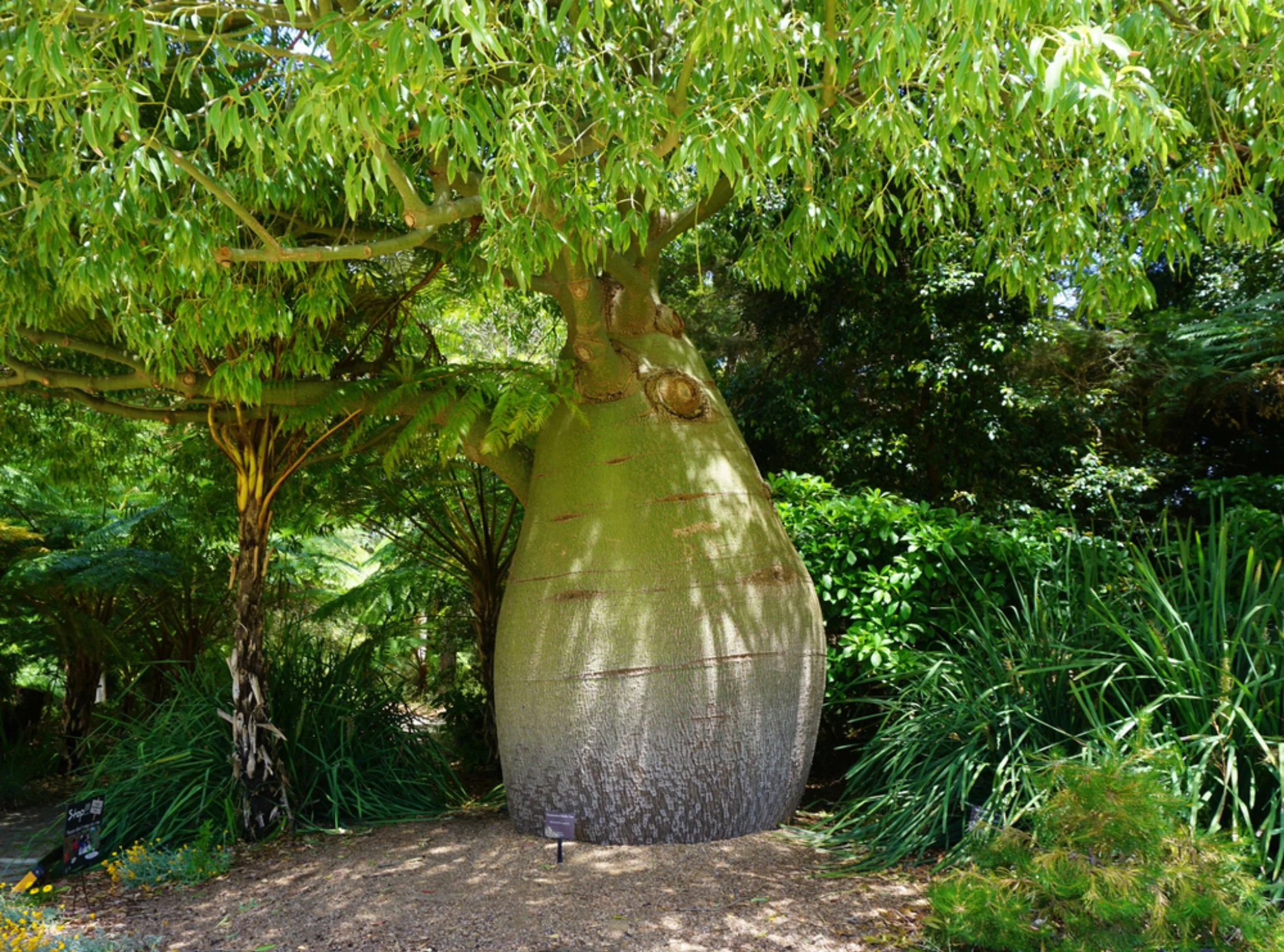
Native and heritage trees play a role that goes far beyond visual appeal on a property. They contribute to local ecosystems, provide habitat for wildlife, stabilise soil and help regulate temperature and water flow. Many of these trees have taken decades, or even centuries, to reach maturity, making any damage difficult or impossible to reverse. Because of their age and significance, they require a higher level of care than standard landscape trees.
We approach work around native and heritage trees with deliberate planning and restraint. Their root systems, structural form and surrounding soil conditions must all be understood before any removal activity begins nearby. We consider not only the immediate task but also the long-term health of the trees that remain on site. This approach ensures necessary removals can proceed without compromising the integrity of trees that define the character and ecological value of the area.
Native and heritage trees are long-established elements of the landscape, not just individual plants. Mature native trees support complex ecosystems, providing habitat for birds, insects and animals while also stabilising soil and managing stormwater naturally. Their canopies moderate temperature, reduce wind exposure and contribute to more comfortable living environments around homes and buildings. These functions develop over decades and cannot be quickly replicated once lost.
Beyond environmental value, many heritage trees hold cultural and historical significance within their communities. Some predate surrounding development, mark historical land use or are connected to Indigenous heritage or early settlement patterns. From a property perspective, established trees consistently enhance visual appeal and perceived quality, often increasing resale and rental value. When these trees are removed without proper consideration, the loss affects not only the site itself but also its broader environmental, cultural and financial context.
Damage to protected species most often occurs through oversight rather than intention. Trees that appear healthy and unremarkable can host nesting birds, roosting bats or habitat for threatened insects and small mammals. Disturbance to these trees or their surrounding soil can cause harm even when the tree itself is not formally listed or scheduled for removal. Without proper assessment, these impacts can go unnoticed until damage has already occurred.
Timing plays a role in preventing unintended harm. Works carried out during breeding or nesting seasons may breach wildlife protections, even if the same activity would be permissible at another time of year. Excavation, stump grinding or service installation through root zones can also disrupt underground habitats and essential fungal networks. Professional assessment before work begins is the most reliable way to identify these risks and ensure compliance with environmental regulations.
Protection of native and heritage trees is most often missed during smaller, routine works rather than large-scale removals. Activities that seem minor can still cause harm if they involve protected trees or sensitive root zones. These situations are frequently underestimated because the tree is not being fully removed or because the work feels urgent or informal.
Here are some examples:
With early guidance and proper assessment, these scenarios can be managed without damage or regulatory issues. Treating native and heritage trees as critical assets ensures necessary works proceed responsibly while preserving the long-term value and character of the landscape.
Removing a tree in an environment with native or heritage trees requires a very different level of planning. The focus shifts from simply completing a removal to managing risk, protecting surrounding vegetation and maintaining long-term site health. Without a structured approach, heavy equipment, soil disturbance or poor sequencing can cause damage well beyond the tree being removed. Careful planning ensures necessary works are carried out without unintended consequences.
Tree removal is a coordinated process rather than a single action. Various factors are reviewed before any cutting begins. Work methods are chosen to minimise root disturbance, canopy damage and soil compaction around protected trees. This allows removals to proceed efficiently while preserving the trees that contribute most to the environmental, cultural and property value of the site.
The first step in any removal near potentially significant trees is slowing the process down and clearly identifying what exists on site. Many are unsure which trees are native, which are ornamental and which may be classified as heritage or significant. We begin with a detailed site walk, assessing each tree’s species, size, age indicators and overall condition before any work is planned. This early identification sets the foundation for responsible decision-making.
Our assessment typically considers:
When there is uncertainty, trees are treated as protected until their status is confirmed through arborist advice or council records. This precautionary approach avoids accidental damage and safeguards trees that hold ecological, cultural or long-term landscape value.
Tree protection rules vary between council areas, making site-specific research essential. Removal, pruning or disturbance permissions can depend on species, trunk diameter, canopy spread, location or zoning overlays. We review applicable tree preservation orders, planning controls and heritage or environmental overlays relevant to the property before finalising any removal plan. Relying on assumptions from previous jobs can lead to compliance issues and costly delays.
Where heritage or protected trees are involved, approval processes are often more detailed. Councils may require arboricultural impact assessments, wildlife considerations or replanting conditions as part of the application. These steps are built into the planning timeline to prevent rushed submissions and avoid stop-work orders. Clear communication with council authorities and property owners ensures removals proceed legally, transparently and in alignment with broader environmental objectives.
Once protected trees are identified, understanding how removal work interacts with them becomes the priority. We assess three interconnected areas: root zones, canopies and surrounding vegetation. Mature native and heritage trees often have extensive root systems that extend well beyond the visible dripline, making soil disturbance a critical risk factor. Ground conditions, existing infrastructure and previous excavation are reviewed to map sensitive root areas before machinery or access routes are determined.
Canopy interactions are assessed next, particularly where branches overlap or intertwine. Sectional dismantling, controlled rigging and carefully managed drop zones are used to prevent bark tearing or limb damage to retained trees. Surrounding understory vegetation is also protected, as it contributes to soil stability, moisture retention and habitat health. Treating roots, canopy and ground cover as a single living system allows necessary removals to be completed while preserving the long-term resilience of protected trees.
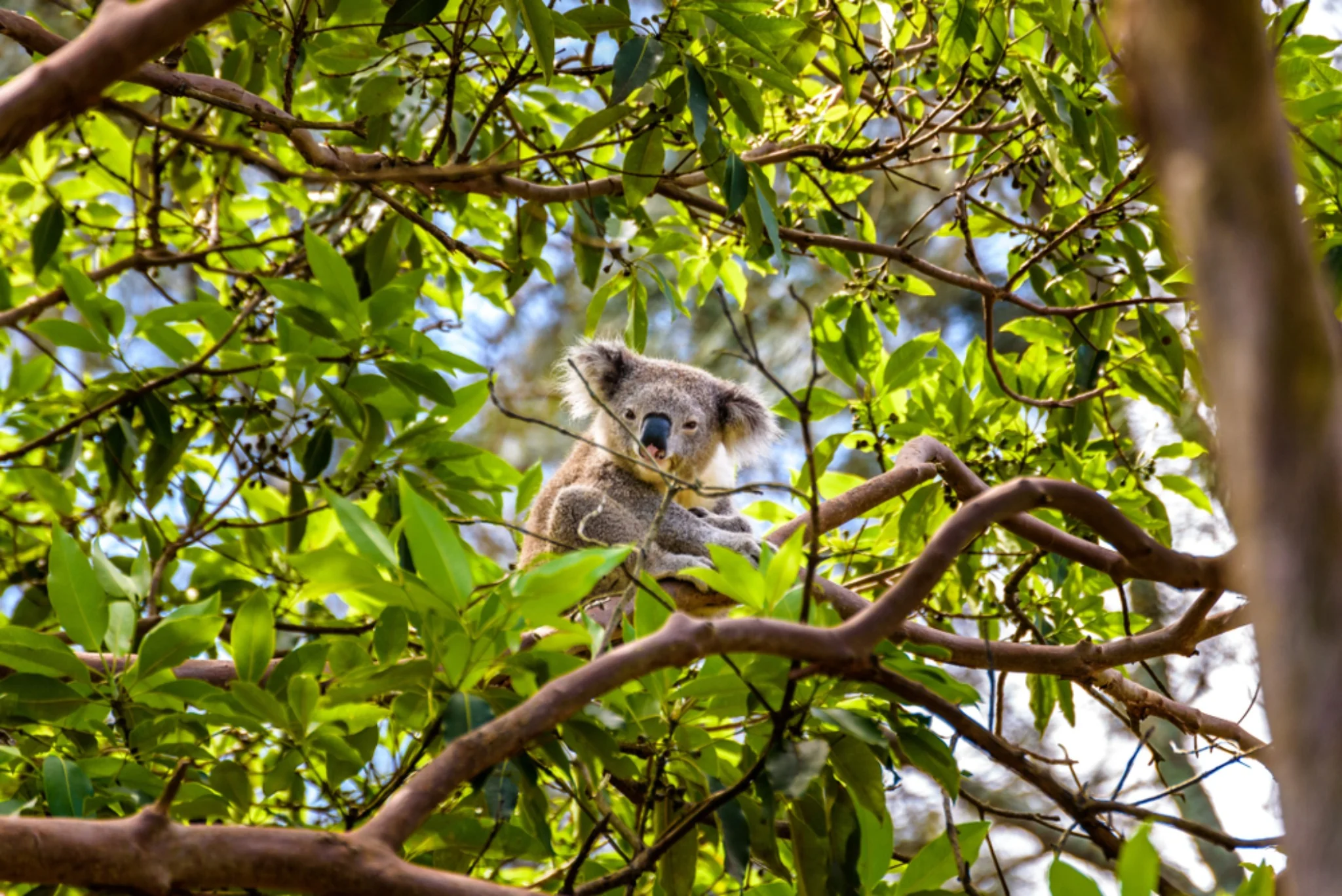
Once planning and approvals are in place, the way tree works are carried out on site becomes the most important factor in protecting surrounding vegetation. Equipment choice, access routes and sequencing all influence whether protected trees remain healthy after work is completed. Even well-intentioned removals can cause lasting damage if practical safeguards are not applied consistently. This is where experience and disciplined work methods make a measurable difference.
Work zones are clearly defined, machinery movement is restricted and removal techniques are selected to reduce impact rather than speed alone. These practical measures allow essential tree works to proceed while maintaining the long-term health, stability and environmental value of protected trees across the site.
On every site, the priority is identifying which trees must be treated as protected assets rather than incidental vegetation. For native and heritage specimens, this involves establishing a Tree Protection Zone (TPZ) sized according to trunk diameter, species sensitivity and site conditions. These zones are clearly marked on the ground before any equipment arrives, using physical barriers rather than temporary tape that can be easily ignored. Clear visual boundaries set expectations early and prevent accidental encroachment.
Within the TPZ, activities such as material storage, vehicle parking, soil stockpiling and refuelling are strictly excluded. Even short-term pressure can compact soil, damage fine feeder roots and disrupt drainage patterns that mature trees depend on. Where limited access near a TPZ cannot be avoided, ground protection systems are installed to distribute weight and reduce compaction. Machinery routes are planned and reinforced during site induction so crews understand which areas are off-limits throughout the job.
When removal or heavy pruning is required near protected trees, the chosen techniques directly influence the level of risk. Rather than prioritising speed, we focus on controlled, low-impact methods that limit shock to surrounding vegetation. Whole-tree felling is avoided in tight or sensitive areas in favour of dismantling trees in manageable sections. This approach allows precise control over movement, rigging and drop zones.
Low-impact practices commonly are:
By managing cutting technique and debris handling, soil disturbance and canopy damage are kept to an absolute minimum during the removal process.
Completion of tree works does not mark the end of responsibility for nearby protected trees. Root disturbance and soil compaction can take time to show visible symptoms, often emerging months after the work is finished. Follow-up inspections are scheduled to assess tree response through changing seasons and environmental stress. This ongoing monitoring is important for older native and heritage specimens.
Post-work assessments focus on early indicators of decline, such as canopy thinning, reduced leaf size, dieback or unseasonal growth patterns. Ground conditions are also reviewed for signs of compaction, waterlogging, fungal activity or root plate instability. Where stress is detected early, corrective measures such as soil decompaction, mulching or irrigation adjustments can be introduced. This helps protected trees recover successfully and reduces the likelihood of long-term decline.
In the end, protecting native and heritage trees comes down to careful planning, regulatory awareness and disciplined work practices at every stage of a job. When trees are identified early and safeguarded through low-impact techniques and proper aftercare, necessary removals can be completed without compromising the landscape that surrounds them. This approach protects not only individual trees but also the long-term environmental and property value they support. For projects where preservation matters as much as removal, we here at Lance's Tree Care provide the expertise and care needed to get it right.


