Caring for trees requires a different approach due to elevation, volcanic soils, heavy rainfall and frequent storms. Without season-specific care, trees that grow quickly in these conditions can just as quickly become safety and property risks. Here at Lance's Tree Care, we share practical, locally grounded guidance to help you plan year-round tree care that protects your property while keeping your trees healthy, stable and resilient in demanding conditions.
This guide is for homeowners and property owners managing trees near homes, sheds, fences, driveways or sloping ground. Local conditions place unique stress on tree structure, roots and canopies, making generic advice ineffective and sometimes damaging. Knowing when to act and when to engage professional tree services in Tamborine Mountain helps prevent storm damage, tree failure and unnecessary removal costs.
This article provides a clear, season-by-season roadmap outlining what to check, what maintenance is appropriate and when specialist help is essential.
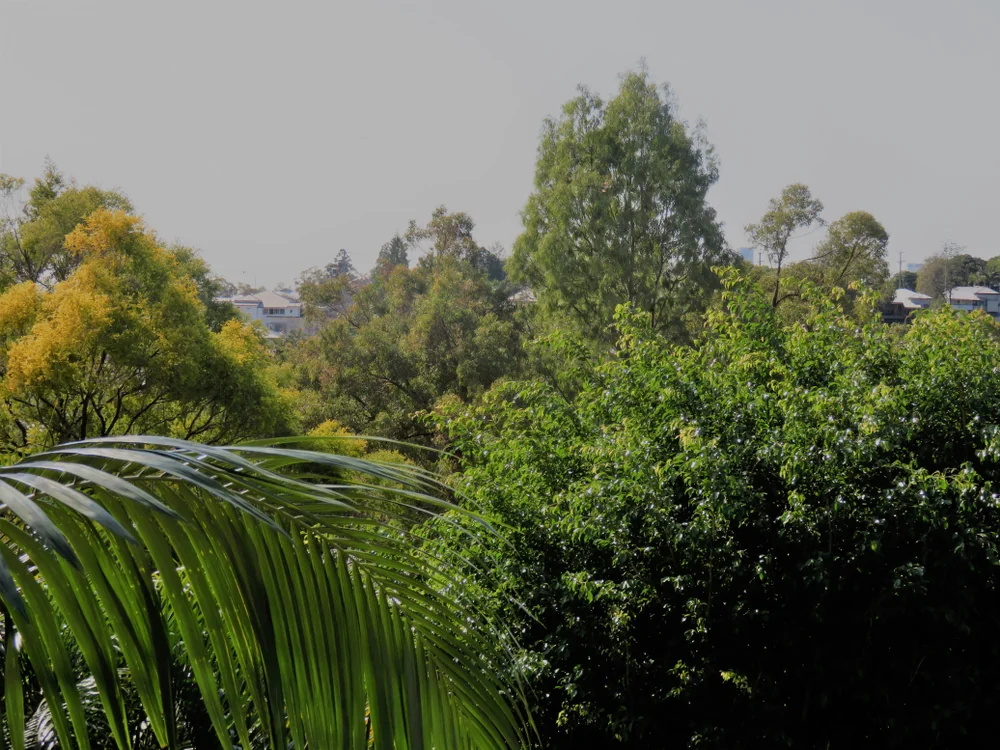
Tamborine Mountain has a distinct microclimate shaped by elevation, rich volcanic soils, high annual rainfall and frequent storm activity. These conditions encourage rapid tree growth, dense canopies and extensive root systems that behave very differently from those in surrounding lowland suburbs. While this environment supports lush vegetation, it also places increased structural and biological stress on trees throughout the year. Without climate-aware management, even healthy trees can develop hidden weaknesses.
Seasonal shifts strongly influence how trees respond to wind, moisture, temperature changes and soil movement. Prolonged wet periods can soften soils and reduce root stability, while dry spells place pressure on root systems adapted to consistent moisture. Storm cycles further amplify these stresses, increasing the likelihood of branch failure and whole-tree movement. By understanding how climate affects tree growth and structure, we can plan proactive care that improves safety, longevity and overall tree health.
Various conditions support tree growth, allowing many species to establish quickly and develop dense canopies. Roots spread aggressively through moisture-rich soils, and foliage thickens faster than in surrounding lowland areas. While this environment creates lush landscapes, it also accelerates structural and biological pressures within trees.
After extended periods of rainfall, trees commonly produce soft new growth and elongated branches at a rapid pace. This growth can outstrip wood strengthening, resulting in long, heavy limbs that are more vulnerable during wind events. Dense canopies also reduce airflow and trap moisture, creating ideal conditions for fungal diseases, mosses and lichens. Over time, these factors can mask early signs of decay and weaken branch unions if not managed correctly.
Although seasonal changes are less dramatic than in cooler regions, they still have a strong influence on tree behaviour. Summer and early autumn typically bring the heaviest rainfall and most intense storms, placing immediate stress on trees carrying dense, moisture-laden foliage. Trees that have experienced unchecked spring growth are vulnerable during this period. Structural weaknesses are often exposed when wind and water loads peak.
Winter and early spring are generally drier, which can reveal underlying root and soil issues. Trees accustomed to consistent surface moisture may experience stress, leading to canopy thinning or minor dieback. When heavy rain and storms return before roots have recovered, the risk of uprooting or limb failure increases. Elevation, slope and exposure further shape these outcomes, meaning trees of the same species can respond very differently depending on their exact location.
A consistent pattern of tree issues appears due to the interaction between climate, soil and rapid growth. Many problems develop gradually and remain unnoticed until storms or seasonal stress expose them. Without proactive management, these issues can escalate from minor defects into significant safety concerns.
Issues regularly identified include:
When left unmanaged, these conditions increase the likelihood of branch failure, leaning trees and long-term decline. Early identification and corrective care allow risks to be addressed while preserving tree health and reducing the need for emergency or large-scale removals.
Tree care is most effective when it follows the natural seasonal rhythms of growth, stress and recovery. Each part of the year places different demands on trees, influenced by rainfall patterns, temperature shifts and storm activity. What supports healthy growth in one season may increase risk in another if timing is ignored. Understanding these cycles allows tree management to be proactive rather than reactive.
By aligning inspections, pruning and risk reduction with seasonal conditions, we can address problems before they escalate into safety hazards or tree decline. Strategic timing reduces unnecessary stress on trees and improves long-term structure and resilience. It also helps prioritise maintenance efforts, ensuring resources are focused where they have the greatest impact. A season-based approach supports healthier trees while protecting homes, accessways and surrounding landscapes year-round.
The wet season drives rapid growth while also exposing structural weaknesses through heavy rainfall and sudden storms. Soft, fast-forming growth may appear healthy but often lacks the strength needed to withstand wind and water loads. During this period, we focus on how moisture is affecting canopy weight, branch attachment and overall balance. Overextended limbs above roofs, driveways, play areas and outbuildings are prioritised due to their higher risk profile.
Effective storm preparation relies on identifying and addressing defects before severe weather arrives. We assess trees for weak branch unions, included bark, old pruning wounds with decay, unresolved storm damage and signs of fungal activity. Where appropriate, selective reduction pruning is used to reduce leverage on vulnerable limbs, while cabling or bracing may be considered for branches over high-value targets. Wet conditions also bring drainage issues to the surface, making it essential to evaluate soil saturation, water flow and mulch placement around root collars.
As rainfall eases, trees that thrived during the wet season can quickly experience stress, particularly on shallow, rocky or compacted soils. Early signs such as leaf curl, browning at the margins or premature leaf drop often indicate moisture imbalance. We monitor these indicators closely, especially on young or recently established trees that have not yet developed deep root systems. Addressing stress early helps prevent longer-term decline.
Watering strategy becomes critical during drier periods. Deep, infrequent watering encourages roots to grow downward into cooler, more stable soil layers, rather than remaining near the surface. We recommend slow-soak methods around the dripline, supported by organic mulch to regulate temperature and retain moisture. Any damage carried over from the wet season, such as cracked limbs or bark injury, should also be addressed during this time to ensure trees enter the next growth phase in the strongest possible condition.
Correct pruning timing is essential for maintaining tree health, structure and seasonal performance. Many native and ornamental species set buds well in advance, meaning poorly timed pruning can reduce flowering, fruiting or overall vitality. We align pruning schedules with each species’ growth cycle to avoid unnecessary stress and preserve natural form. Structural pruning is generally planned outside periods of extreme heat or intense wet-season activity.
Pruning intensity is matched carefully to the tree’s condition and vigour. Moderate, well-distributed reductions support strong regrowth without triggering excessive water-shoot development. For older or stressed trees, conservative pruning spread across multiple seasons allows gradual adjustment and recovery. By coordinating both timing and technique, we guide growth towards improved structure, reliable flowering and long-term stability rather than short-term cosmetic results.

Many serious tree failures begin as small, easily overlooked issues. By the time visible damage occurs, the cost and complexity of repairs often increase. Early awareness is the key to keeping trees safe and manageable.
A preventative approach focuses on regular assessment rather than emergency response. When we identify structural weaknesses, pest activity or root stress early, corrective action can be taken with minimal disruption. This protects tree health and the surrounding property while avoiding reactive removals or storm-related damage. Proactive management ultimately delivers safer outcomes and better long-term value for homeowners.
Rapid growth driven by fertile volcanic soils and high rainfall can allow serious problems to develop unnoticed. Dense canopies and regrowth often mask early warning signs until stress or storms expose them. Many costly tree failures begin with small, visible indicators that were present long before damage occurred. Regular seasonal checks allow us to identify concerns early, when intervention is simpler and far less disruptive.
When assessing trees, attention should be given from the ground up, looking for indicators such as:
Identifying these signs early allows for targeted pruning, load reduction or root-zone improvements that stabilise the tree. Acting at this stage is more cost-effective than responding after a failure has already caused damage.
Tree location has a role in risk management. Large, fast-growing species planted close to homes, sheds or accessways often outgrow their available space. As canopies expand, branches may extend over roofs, decks and outdoor living areas, increasing exposure to storm-related damage. Even a minor overhang can lead to blocked gutters, roof wear and escalating maintenance costs.
Root systems can create equally serious issues around driveways, retaining walls and building foundations. Lifting concrete, cracking masonry or persistent damp areas may indicate root interaction below ground. Root pruning without a clear plan can destabilise the tree, making professional assessment essential in these situations. Near powerlines, vegetation clearance must always be treated as a safety and compliance issue, with regular, controlled pruning far safer than delayed, heavy cuts.
Properties are often subject to environmental overlays, vegetation protection controls and bushfire management requirements. Certain trees may be protected, and pruning or removal can require council approval even on private land. These requirements frequently catch property owners off guard, particularly in areas close to waterways, steep slopes or remnant vegetation.
Professional advice becomes essential when trees are large, structurally compromised, close to buildings or near regulated infrastructure such as powerlines. Qualified arborist assessments can clarify risk levels, confirm whether exemptions apply and support council applications when approvals are needed. In many cases, early professional input helps identify the least invasive solution, protecting property while preserving valuable trees wherever possible.
Caring for trees is a year-round process shaped by seasonal growth cycles, challenging weather and unique soil conditions. A proactive approach, focused on early intervention, storm preparation and well-timed pruning, reduces risk, protects property and supports long-term tree health. When trees are large, overhanging, damaged or difficult to access, engaging a qualified arborist is the safest and most cost-effective choice. For local, experience-driven support, Lance's Tree Care is here to help keep your trees safe, healthy and an enduring asset to your property.


