Overhanging branches are a common source of neighbour disputes, especially when they create safety concerns, property damage risks or maintenance issues. It is important to understand what rights and responsibilities apply before carrying out any pruning work. For homeowners needing tree lopping in Tamborine Mountain, understanding the rules around overhanging branches and boundary pruning can help prevent neighbour disputes, unsafe pruning and costly mistakes.
Lance's Tree Care explains the rules governing overhanging branches in Queensland. They also outline the role of qualified arborists and professional tree contractors in managing larger, more complex or higher-risk situations. By understanding the legal framework and practical considerations involved, property owners can address tree-related issues safely and responsibly.
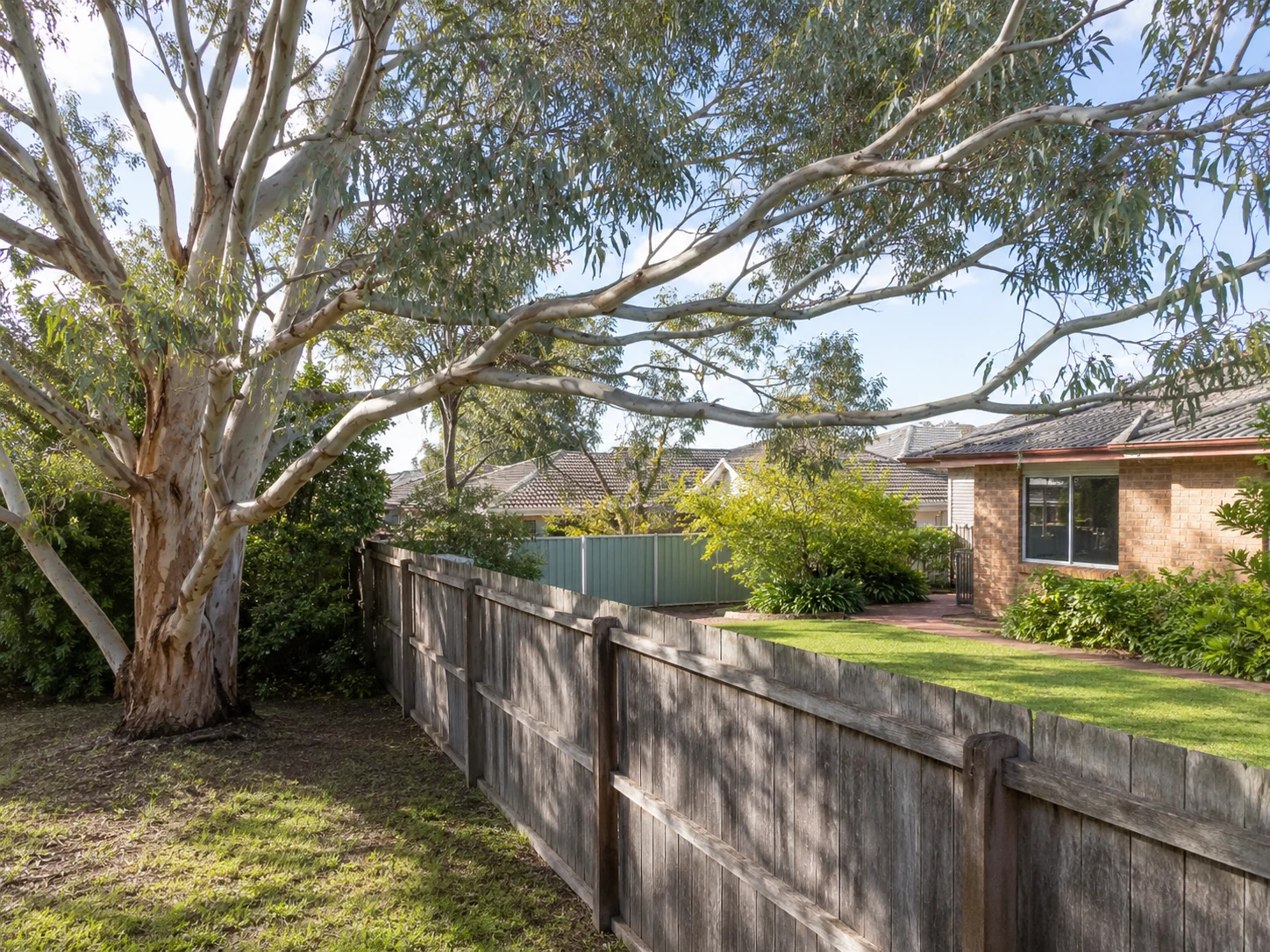
In Queensland, a property owner generally has the right to remove parts of a neighbour’s tree that physically encroach over the boundary. This is known as the common law right of abatement. The key limit is simple: only the part of the tree that crosses the boundary line may be cut and only from within the affected neighbour’s own property.
That right, however, is limited. Work must be carried out in a way that avoids damaging the tree's overall health or stability and complies with any local council protections. Careful planning is essential to avoid creating a safety hazard or a legal dispute.
The usual rule is that overhanging branches and intruding roots can be cut back to the boundary line. Cutting beyond the boundary onto the neighbour’s side is not permitted without consent.
This includes:
Under Queensland’s Neighbourhood Disputes legislation, a neighbour who removes part of a tree under the common law right of abatement may, but is not required to, return the removed part to the tree-keeper. In practice, it is still sensible to discuss disposal before pruning, as dumping large branches over the fence can quickly escalate the dispute.
The right to trim does not permit excessive or negligent pruning. Work must be limited to what is reasonably necessary to deal with the encroachment or related nuisance.
Pruning is more likely to be lawful if it stops at or within the boundary line, follows modern pruning standards, does not unbalance the tree and does not remove an excessive percentage of the canopy.
Severe cutting that destabilises the tree or increases risk to people or property can expose the person who carried out the work to liability if the tree later fails. Poor cutting, such as topping or unnecessary lopping, can also breach local council vegetation laws for larger or protected trees.
Pruning from the neighbour’s side of the fence, climbing the tree from their land or entering their yard without permission can amount to trespass, even if the goal is to trim encroaching branches.
Queensland councils often regulate what can be done to certain trees regardless of the common law right to abate. Native vegetation overlays, character trees, heritage areas and koala habitat controls can all limit pruning options.
Before cutting any substantial branches, check the following:
If a tree is protected, consent or a permit may be required even to trim encroaching growth. In those situations, only the work specifically allowed by the approval can be carried out and any extra pruning can lead to fines or enforcement action.
Responsibility for overhanging tree branches can depend on how the issue is handled. In Queensland, the tree-keeper has responsibilities under the Neighbourhood Disputes legislation, including responsibility for cutting and removing overhanging branches. However, the affected neighbour may still choose to exercise the common law right of abatement, use the formal notice process for lower overhanging branches or apply to QCAT where the issue cannot be resolved informally.
Understanding who organises the work and who pays for it helps avoid disputes and guides whether to engage a professional arborist or seek formal resolution under Queensland’s Neighbourhood Disputes (Dividing Fences and Trees) Act 2011.
If branches or roots have crossed the boundary into a neighbour’s yard, the affected neighbour may decide to have the encroaching parts cut back to the boundary from their own property. This is often the most practical option where the work is minor, safe and does not require access to the tree owner’s land.
The affected neighbour can:
The work must not go beyond the boundary or damage the tree. Entering the tree-keeper’s land or climbing the tree without permission is not allowed. Any access required from the tree-keeper’s side should be requested in writing and agreed in advance.
Payment depends on the path taken. If the affected neighbour chooses to cut back branches under the common law right of abatement, they will generally organise and pay for that work themselves.
Queensland law also provides a formal notice process for certain lower overhanging branches. This generally applies where branches overhang the boundary by more than 50cm and are 2.5m or less above the ground. The notice must give the tree-keeper at least 30 days to remove the branches and include the required information, such as a written quote and permission for access at the agreed time.
If the tree-keeper does not comply with a valid notice, the affected neighbour may be able to arrange for the branches to be removed and recover reasonable costs, subject to the limits that apply under the legislation.
The tree-keeper may also become financially responsible where:
Green waste from pruning should be handled carefully. Although removed tree material may be offered back to the tree-keeper, it should not simply be dumped over the fence. Many neighbours choose to dispose of the waste themselves or with their arborist to keep relations amicable.
Although the affected neighbour can sometimes cut back branches on their side, many overhanging trees are large, complex or close to structures and powerlines. Arranging a qualified arborist or professional tree contractor is usually necessary for safety and to avoid damage that could create liability.
Professional arborists can also confirm how far pruning can safely go, identify risks that may shift responsibility to the tree-keeper and provide written reports that may assist if the dispute progresses to QCAT.
Professional involvement is often at the cost of the neighbour seeking the work unless the tree-keeper agrees to pay, the formal notice process applies or a formal order requires the tree-keeper to pay or contribute.
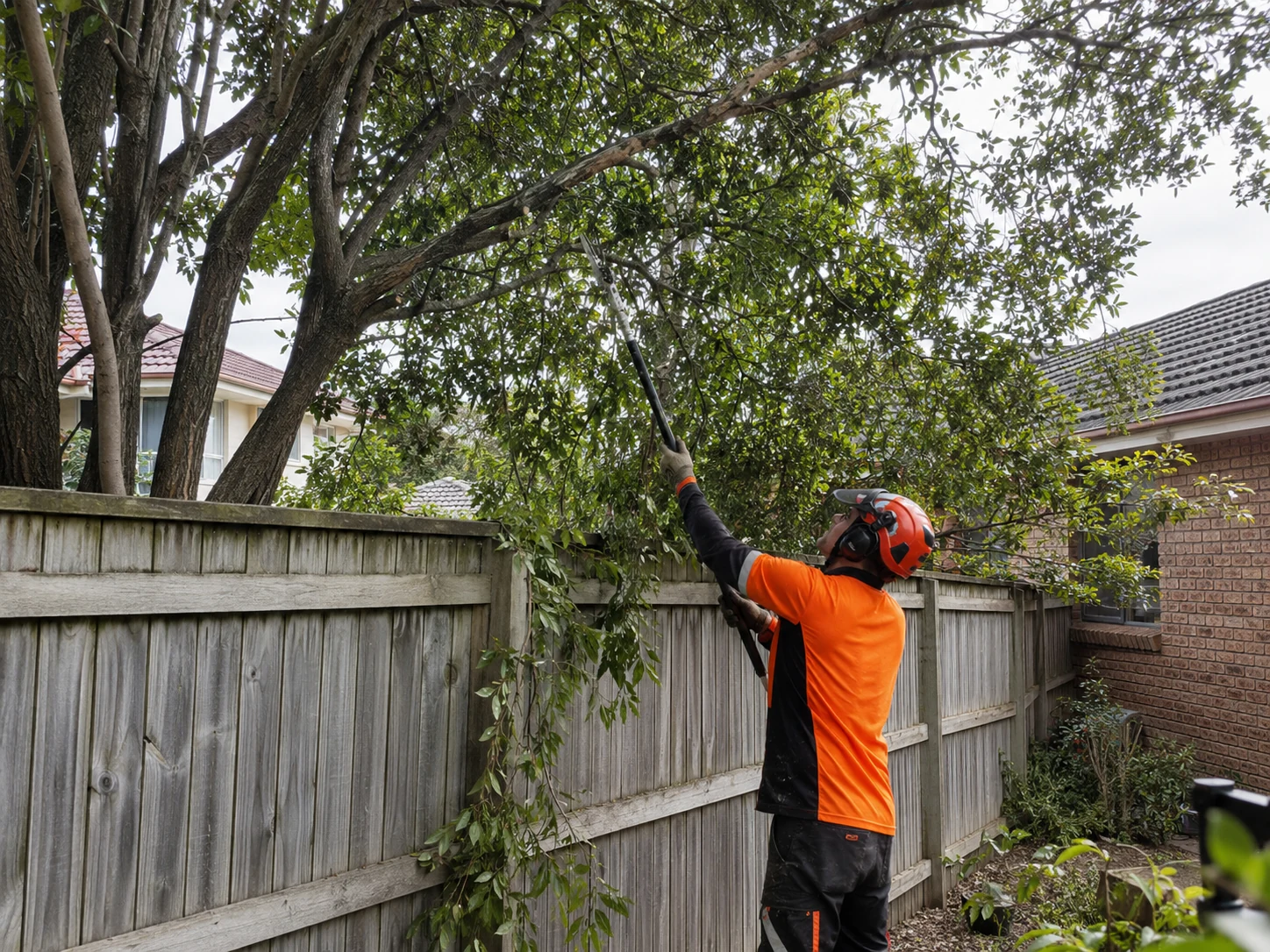
Cutting back a neighbour’s overhanging tree might look simple, but in many circumstances, professional help is the safest and most lawful option. The decision turns on risk, access, legal boundaries and the health of the tree rather than just how annoying the branches are.
A qualified arborist or professional tree contractor understands vegetation rules, boundary limits and how to prune without causing damage that could lead to disputes or liability. In higher-risk or unclear conditions, engaging professional help is usually far cheaper than dealing with property damage or legal action later.
If branches are thick, heavy or high off the ground, a professional should handle the work. Tall ladders, chainsaws and tight spaces increase the likelihood of serious injury or property damage.
A professional tree contractor will assess how each branch might fall, use ropes and controlled cutting techniques and coordinate with Energex or Ergon Energy if powerline clearance is needed. This level of planning is difficult for a homeowner with basic tools.
Neighbours have the right to self-help, but cutting must stay strictly within the boundary and must not damage the overall health or structural stability of the tree. Where the boundary line, council rules or the impact on the tree is uncertain, professional guidance is important.
An experienced tree contractor or consulting arborist can identify protected species, check pruning restrictions and provide written advice or a pruning plan that helps avoid later arguments about negligence or unlawful damage.
Improper pruning can cause decay, disease or limb failure years later, becoming a liability issue. Where the tree is mature, old or already showing signs of stress, a professional assessment is essential before cutting back overhanging branches.
Professional involvement is wise if:
A qualified arborist or professional tree contractor will use correct pruning cuts at the branch collar, avoid over-thinning and advise if the tree is already unsafe and should be dealt with by the tree-keeper rather than simply cut back at the boundary.
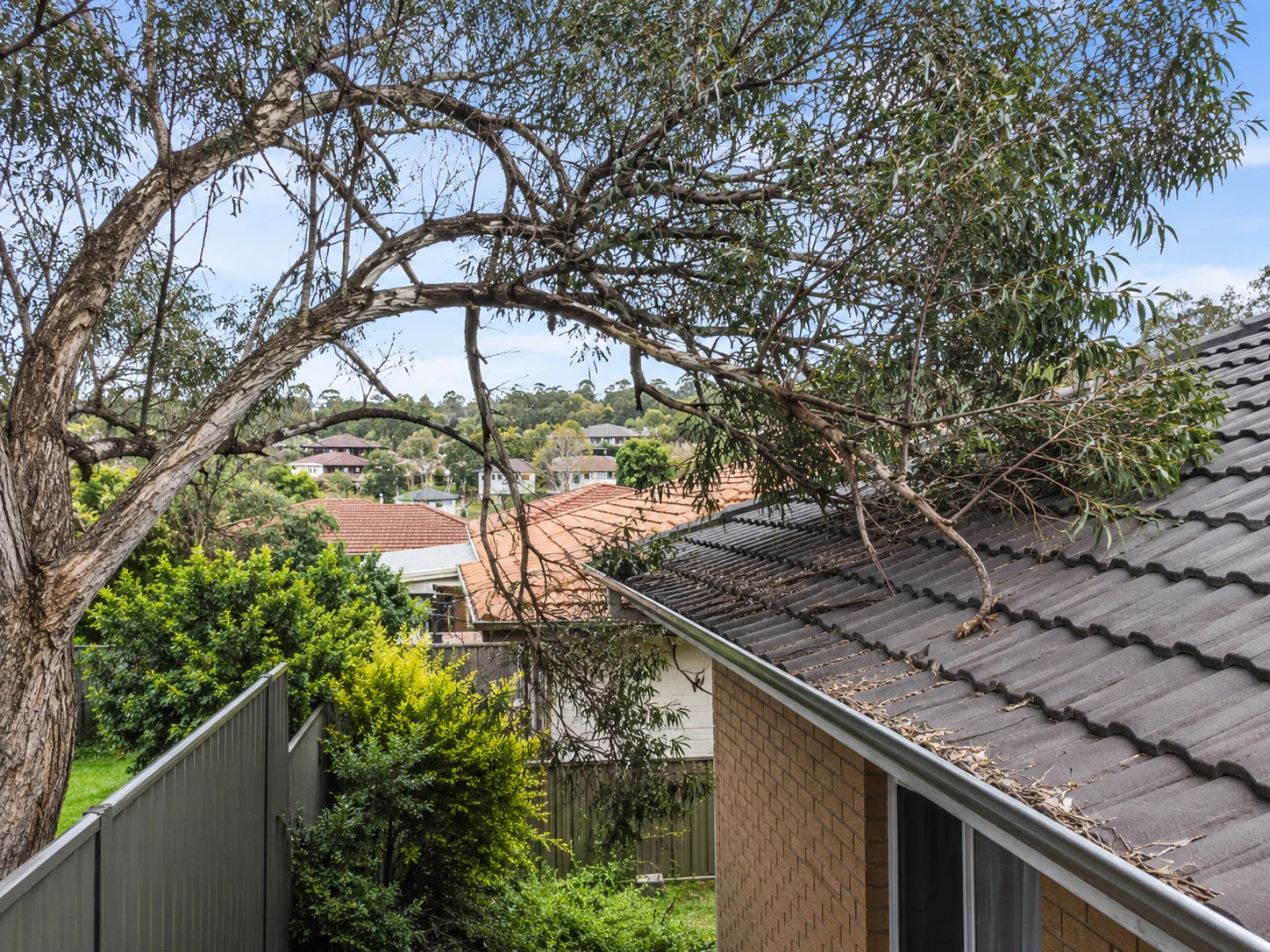
There are still clear legal pathways if talking with the neighbour and trying informal solutions has not fixed the overhanging tree problem. The key is to follow the steps set out in the Neighbourhood Disputes (Dividing Fences and Trees) Act 2011 so that any action taken is lawful, documented and aimed at achieving a lasting outcome.
Before escalating, have clear evidence of the issue, be certain about property boundaries and show that reasonable attempts have been made to resolve the problem directly. This preparation will be critical if the matter proceeds to formal dispute resolution or QCAT.
The Queensland Government provides further guidance on what to do if a neighbour’s tree is affecting you, including informal resolution, formal notices and QCAT applications.
The first step is usually a written request to the tree-keeper. This should set out the problem, what is being requested and a reasonable time frame for a response. A written letter helps show that reasonable efforts to resolve the dispute have been made.
For certain lower overhanging branches, Queensland law also allows a formal notice process. This generally applies where branches overhang more than 50cm from the boundary and are 2.5m or less above the ground. The notice must give the tree-keeper at least 30 days to remove the branches and include the required information, including a written quote and permission for access at the agreed time.
QCAT also outlines when notices can and cannot be used for overhanging branch disputes, including limits that apply to branch height and distance over the boundary.
The letter or notice should typically include details such as:
Attaching photographs and any arborist report is useful. Keeping a copy of all correspondence and notes of any conversations provides a paper trail if the dispute continues.
If the tree-keeper refuses to act, ignores written requests or the issue is not suitable for the lower-branch notice process, an application can be made to QCAT under the Neighbourhood Disputes Act. QCAT has the power to make binding orders about trees that affect neighbouring properties.
Before applying, confirm that:
For higher branches, QCAT may also deal with branches that are more than 2.5m above the ground where they overhang the boundary by at least 50cm and the legal requirements are met.
The application usually includes photographs, survey plans and any expert arborist or engineering reports. QCAT may order the tree to be pruned or removed, limit its height or spread, apportion costs between neighbours or set ongoing maintenance conditions. Failing to comply can lead to enforcement action and further costs.
For large protected trees, significant structural damage or situations where there is an immediate safety risk, independent legal advice or an arborist report is highly advisable. An arborist can assess tree health, identify risk and recommend safe pruning methods that comply with local council rules.
If there is an urgent danger to people or property, assistance through the local council, State Emergency Service or another relevant authority may be necessary. Any urgent work must still comply with safety laws and council protections, but genuine emergencies are treated differently from ordinary maintenance disputes.
Managing overhanging branches involves more than simply cutting back what crosses the fence line. While property owners may have the right to prune encroaching branches and roots to the boundary, that right must be exercised carefully, with consideration for the health of the tree, Queensland’s tree dispute laws, local council regulations and the potential impact on neighbouring properties. Understanding who is responsible for organising and funding the work, when formal notices may be required and how dispute resolution processes operate can help prevent unnecessary legal and neighbourly conflicts.


