Council tree regulations can feel confusing for many homeowners, especially once terms like protected trees, permit applications and compliance enter the conversation. At Lance’s Tree Care, we regularly speak with property owners who are unsure whether they can proceed with pruning or tree removal in Tamborine Mountain without council approval. Understanding how local permit rules apply before starting any significant work helps prevent delays, disputes and unexpected fines.
This guide explains why council tree permits exist, when they are typically required and what homeowners should consider before proceeding. It outlines the situations that commonly trigger approval, how protected or significant trees are defined and what information councils usually expect in an application. By understanding these essentials, homeowners can plan tree work with clarity and confidence rather than guesswork.
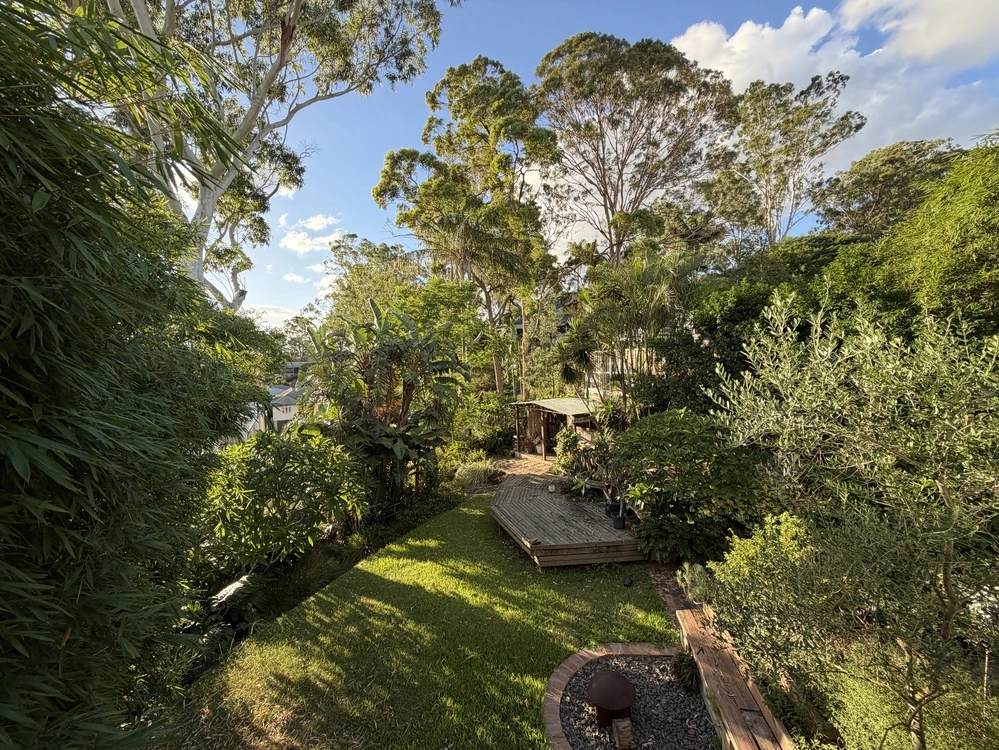
Council tree permits are not just red tape. They are a way for local councils to protect important trees, manage neighbourhood safety and keep the character of suburbs consistent. When homeowners understand why permits exist, it becomes easier to work with the rules instead of accidentally breaking them and risking fines or forced replanting.
While exact details vary from council to council, the same core ideas usually apply. Understanding these principles helps homeowners quickly work out when they can proceed with work and when written approval is required first.
One of the main reasons councils require permits is to stop the unnecessary removal or severe pruning of established trees. Mature trees provide shade, privacy and habitat for wildlife, which is why many councils treat them as community assets even when they stand on private land.
Councils often use tools such as a Tree Preservation Order or Significant Tree Register. These can protect trees based on species, trunk size, height, age or special value, such as cultural or historical significance. For example, a council might require a permit for any native tree over a certain trunk diameter at chest height or any tree listed as significant on its register. If a tree meets those criteria, a permit is usually needed even if it is causing a minor nuisance like leaf drop.
By controlling work on these trees, councils aim to keep established tree canopies in place so streets do not slowly lose shade and greenery as individual owners remove trees one by one.
Councils also use permit systems to balance tree protection with genuine safety and property concerns. A tree that is structurally unsound, diseased or interfering with essential services can often be removed or heavily pruned, but the council usually wants evidence of the problem before giving consent.
Typical examples that may justify a permit approval include large dead branches over a roof, obvious trunk cavities or root systems lifting a dwelling foundation or major plumbing line. Councils commonly ask for an arborist report to confirm the risk and to suggest options such as selective pruning instead of full removal if that can resolve the issue.
Using a qualified arborist to assess the tree and prepare supporting documents usually speeds up permit decisions and reduces the chance of refusal or requests for extra information.
Although motivations are similar, each council writes its own tree rules, so neighbours in different suburbs can face different permit triggers. Some key local variations that homeowners need to check are:
In practice this means one tree on a property might be freely removed while another a few metres away needs a permit. Some councils also allow emergency works without prior approval if there is an immediate risk to life or property but still require notification or evidence after the fact.
Licensed arborists regularly check the relevant council guidelines before quoting work so clients know upfront whether a permit is likely needed, what documents will be required and how long the process should take in their local area.
Homeowners often assume they can remove or heavily prune any tree on their property without asking permission, then discover too late that a council permit was required. Getting this wrong can lead to stop work orders, fines and orders to replant. This section explains the typical situations where council approval is usually required and when work can often go ahead without a permit.
Although exact rules vary between councils, there are common triggers across most local government areas. Qualified arborists help homeowners interpret these rules on site so the right approvals are in place before any work starts.
Most councils protect certain trees because of their size, age, species or environmental value. If a tree meets the local definition of a "significant" or "regulated" tree, removal or major pruning almost always needs written council consent.
Rules commonly refer to measurements such as height, trunk diameter or canopy spread. For example, a council might require a permit if a tree is over a set height or if the trunk is over a specific diameter measured at chest height. Some councils list protected species such as native gums, specific street trees or trees in mapped biodiversity areas that cannot be removed without approval regardless of size.
Pruning is also controlled. Light pruning for maintenance is usually allowed, but removal of large limbs, work that changes the overall shape of the tree or cuts that affect structural stability often count as "tree work" that needs a permit. Licensed arborists can assess the tree against local criteria and advise whether routine maintenance or a formal permit application is required.
Where a tree is growing often matters just as much as the type of tree it is. Trees in front setbacks, road reserves or along waterways are more likely to be protected and may fall under specific planning overlays.
Typical situations that usually require approval include trees:
Shared boundary trees can be more complex. If a trunk crosses a boundary, both owners may need to sign the permit application. Removing or heavily pruning the main canopy without approval can lead to neighbour disputes as well as council action. Where ownership or responsibility is unclear, a site inspection and title check can help clarify the correct process before any work begins.
Most councils allow urgent work without prior approval when there is an immediate risk to life or property, for example, a cracked trunk about to fail after a storm. In these cases the owner or insurer can usually authorise emergency make-safe pruning or removal, but the council may require photographs, arborist reports and evidence that the work was genuinely urgent.
When a tree is damaging buildings, pipes or driveways, councils often still require an application but support it if an arborist report confirms the link. It is not enough to simply dislike leaf litter or shade. Licensed arborists help homeowners document structural damage and risk so that legitimate safety or damage concerns are clearly presented in the permit request.
The council tree permit process is designed to protect significant trees while still allowing homeowners to manage risk and make reasonable changes to their property. Understanding each step helps avoid delays, fines or last-minute surprises once work is booked in.
Although each council has its own rules, the overall process is usually quite similar. Professional arborists guide clients through these stages so applications are clear, complete and more likely to be approved the first time.
Before any pruning or removal is planned, the first task is to check whether the tree is protected under the local planning scheme or tree preservation order. This usually depends on factors such as trunk size, species, location and any heritage or ecological overlays on the property.
Homeowners can normally:
In many areas small trees, some declared pest species or trees far from boundaries and buildings may be exempt. However, clients should never assume a tree is exempt based only on size or species. Written confirmation from the council or clear published criteria are important before any work starts.
If a permit is required, the next step is to lodge an application with the council. Forms are usually available online and ask for:
Councils often expect supporting documents. Qualified arborists can provide:
The more specific and evidence-based the application, the easier it is for council staff to make a decision.
After submission, the council reviews the application against its tree protection policies. The assessment may include:
Typical decision outcomes are:
Time frames vary by council but commonly range from 2 to 6 weeks. Homeowners should wait for written approval and check all conditions before booking tree work. Qualified arborists then carry out the permitted work in line with council requirements and provide any completion photos or confirmation if requested.
Understanding council tree permits is not just about avoiding fines or meeting administrative requirements. It is about protecting your property, complying with local regulations and making informed decisions before any significant pruning or tree removal in Tamborine Mountain.
By knowing when approval is required, what documentation councils expect and how the assessment process works, homeowners can plan ahead with confidence rather than uncertainty. Taking the time to confirm requirements before work begins helps prevent delays, neighbour disputes and costly mistakes, ensuring tree work is carried out legally and responsibly.


