Once a tree has been removed and the stump ground down, the area may look clear and ready for landscaping. However, much of the root system can remain underground and gradually decompose. For property owners considering tree removal in Tamborine Mountain, understanding what happens below the surface can help with planning for soil settlement, replanting and future landscaping.
Remaining roots can take several years to break down and some tree species may produce new shoots from surviving roots. As woody material decomposes, it can also affect the surrounding soil, making it important to know when natural decay is suitable and when further root removal may be worthwhile.
Lance's Tree Care understands that stump grinding is only one part of preparing a site after tree removal. Knowing how remaining roots behave and how the area should be managed can help property owners create a stable, healthy space for new plants, lawn or future landscaping.
Professional stump grinding removes the visible stump and some of the larger roots close to the surface, but it does not remove the entire underground root system. A stump grinder uses a rotating cutting wheel to grind the stump into wood chips, usually taking it below ground level so the area can be covered with soil and used for lawn, planting or landscaping.
The depth and width of grinding depend on the stump's size, root spread and how the area will be used. Typical grinding may remove the stump around 150-300 mm (6-12 inches) below ground level, along with some of the main surface roots around the base. Deeper grinding may be appropriate where the area will later be used for paving, driveways or construction.
Safe Work Australia provides guidance on managing the risks of tree work, including stump grinding, root pruning, wood chipping and tree removal activities.
Roots that extend further from the stump or deeper into the soil remain in place. These larger structural roots and finer feeder roots are disconnected from the stump and decompose. The grinding process also leaves a mixture of wood chips and soil in the hole, which can be levelled and covered with suitable soil before re-turfing or replanting.
While the original tree will not normally return once the stump and root crown have been removed, some vigorous species can produce shoots from surviving roots. Where regrowth is a concern, additional grinding or follow-up treatment may be needed.
After stump grinding, much of the tree's root system remains underground. Once the roots are cut off from the tree's ongoing supply of energy, they die and decompose rather than disappearing immediately. In most residential settings, this is a natural process that causes few problems, although some settlement or regrowth can occur.
Fine roots break down faster than large woody roots. Depending on the root size, tree species and conditions such as moisture, temperature, drainage and soil biology, smaller roots may decompose within one to three years, while larger roots can remain underground for five to ten years or longer.
As roots decay, they soften, shrink and break down. This can leave small voids in the soil and cause minor settlement where a large root system was left behind. Shallow dips or soft spots can usually be corrected by adding suitable topsoil and re-levelling the area.
Decomposing roots also return organic matter to the soil. However, large amounts of fresh woody material can temporarily affect nutrient availability as microorganisms break it down, so new planting areas should be prepared with suitable soil rather than relying entirely on fresh stump grindings.
Some species may also produce suckers from surviving roots. Willow, poplar, aspen and some maples are more likely to resprout than many other trees. New shoots can appear around the former stump or further away where shallow roots remain. Cutting new shoots as they emerge can weaken the remaining root system, while persistent regrowth may require additional root removal or targeted treatment.
For lawns, garden beds and other low-load areas, allowing the roots to decompose naturally is usually sufficient. If the site will support a driveway, patio, shed or other rigid structure, however, the potential for settlement should be considered during site preparation.
A tree usually will not grow back as a full tree after stump grinding, but some species can produce new shoots or suckers from roots left underground. The likelihood of regrowth depends mainly on the tree species, how much of the root system remains and how thoroughly the stump and surface roots were ground.
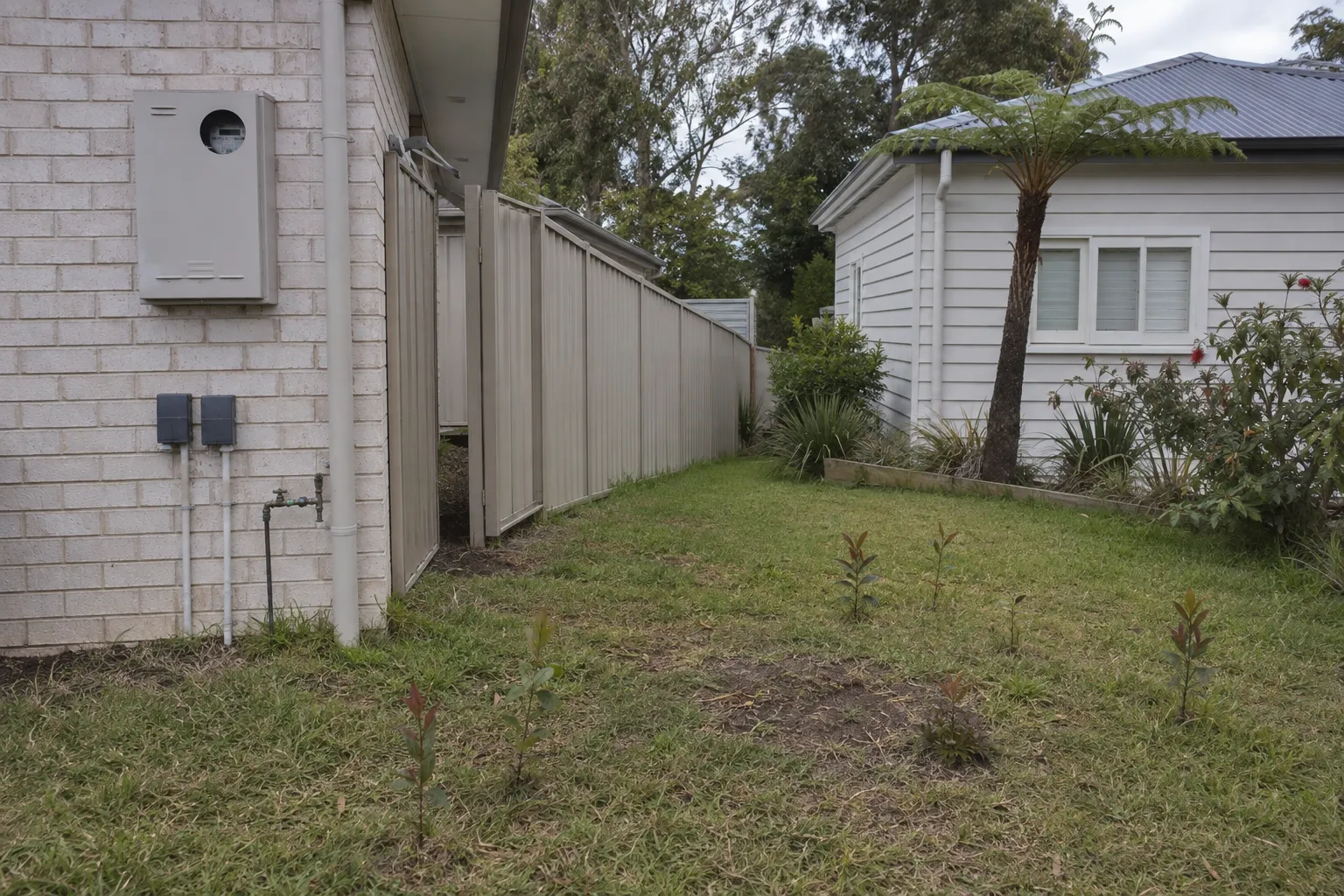
Species such as willow, poplar, aspen, some maples, elms and certain fruit trees are more likely to resprout. New shoots may appear around the former stump or further away where shallow roots remain. Repeatedly cutting these shoots as they emerge can exhaust the remaining roots.
Property owners dealing with persistent ornamental plants can also learn how to stop yuccas growing back after removal, as their surviving crowns and roots can continue producing new shoots.
If persistent regrowth continues, additional root grinding or excavation may be necessary. For most species, however, once the stump and root crown have been removed, the remaining roots will eventually die rather than develop into a replacement tree.
Leftover tree roots usually decompose underground without causing major problems, but they can sometimes affect the surrounding landscape. The main concerns are regrowth, soil settlement and interference with new planting or future construction.
Some species can produce new shoots from surviving roots, creating ongoing maintenance if the growth is not controlled. Larger roots can also shrink as they decompose, potentially causing minor dips or soft spots in the soil.
Remaining roots and decomposing wood may make it more difficult to establish new plants if they occupy a large portion of the planting area. Where a driveway, patio, shed or other structure is planned over the former root zone, additional grinding or excavation may be appropriate to reduce the potential for uneven settlement.
Roots near pipes or underground services stop actively growing once the tree has been removed. However, any existing damage to those services still needs to be addressed. If persistent shoots, soil movement or problems with nearby structures occur, the area should be assessed to determine whether further root removal is necessary.
Most remaining roots will decompose without issues, but a few signs can indicate that the old root system needs attention. After stump grinding, monitor the area for new shoots, soil settlement, changes to nearby surfaces and poor plant growth.
Property owners can also review the common signs tree roots are causing damage, particularly when changes appear around lawns, paving, driveways, drainage systems or nearby structures.
A simple check involves:
If these problems persist or become more significant, the area may need professional assessment to determine whether further grinding, excavation or soil preparation is appropriate.
Stump grinding removes the visible stump and some larger surface roots, but roots extending towards buildings, pipes, driveways and paths can remain underground. The amount removed depends on the grinding depth, root location and how the area will be used afterwards.
Remaining roots are not necessarily a problem, but additional grinding or excavation may be appropriate when the area needs to support a structure, accommodate new services or provide a stable surface.
Roots close to foundations, slabs and retaining walls stop actively growing once the tree is removed, but they can shrink and contribute to changes in ground conditions. If construction is planned over the former root zone, removing substantial woody roots and replacing them with suitable compacted fill can provide a more predictable base.
Roots near water, sewer or irrigation lines are less concerning once the tree has been removed because they no longer receive energy from the tree. However, existing pipe damage will not be resolved by stump grinding.
If roots are interfering with planned service work, selective removal may be necessary. Any excavation near underground pipes and cables should be carefully planned to avoid damaging existing services.
Before additional grinding or excavation begins, property owners should use Before You Dig Australia to help locate underground pipes and cables, noting that supplied plans may be indicative and private services may require a skilled locator.
Large roots beneath driveways, paths and patios can leave voids, potentially contributing to settlement and uneven surfaces. Where a new paved area is planned directly over the former stump location, deeper grinding or excavation may be preferable to leaving substantial woody material underneath.
For existing surfaces, cracking, lifting or depressions should be assessed before assuming remaining roots are responsible, as ground movement and other site conditions can also contribute.
Additional root removal is most useful when the site will support a driveway, building, shed, patio or other rigid structure, or when large roots are directly interfering with landscaping or services. For lawns and garden beds, allowing the remaining roots to decompose naturally is usually sufficient.
Discussing the property's plans before stump grinding can help determine the appropriate grinding depth and whether further excavation or ground preparation will be required.
Remaining roots do not usually need to be removed after stump grinding because they can decompose naturally underground. However, additional root removal may be worthwhile when the roots are interfering with structures, future landscaping or the stability of the site.
Root removal may be appropriate when:
For most lawns and garden beds, natural decomposition is sufficient. Where the area needs to be stable, precisely graded or prepared for construction, selective root excavation or additional grinding can provide a more suitable foundation.
Yes, but it is better to replant slightly away from the old stump location where space allows. Remaining roots, decomposing wood and soil settlement can make the original planting spot less suitable for a new tree, particularly soon after stump grinding.
Before replanting in the same spot, the area should be checked for large remaining roots and excess wood chips. Replacing unsuitable material with quality soil can provide a better environment for the new tree's roots. Allowing the ground to settle can also help create a more stable planting area.
Moving the new tree a short distance away can provide a cleaner planting zone with less competition from decomposing roots. The replacement tree should also have enough room to reach its mature size without interfering with buildings, driveways or underground services.
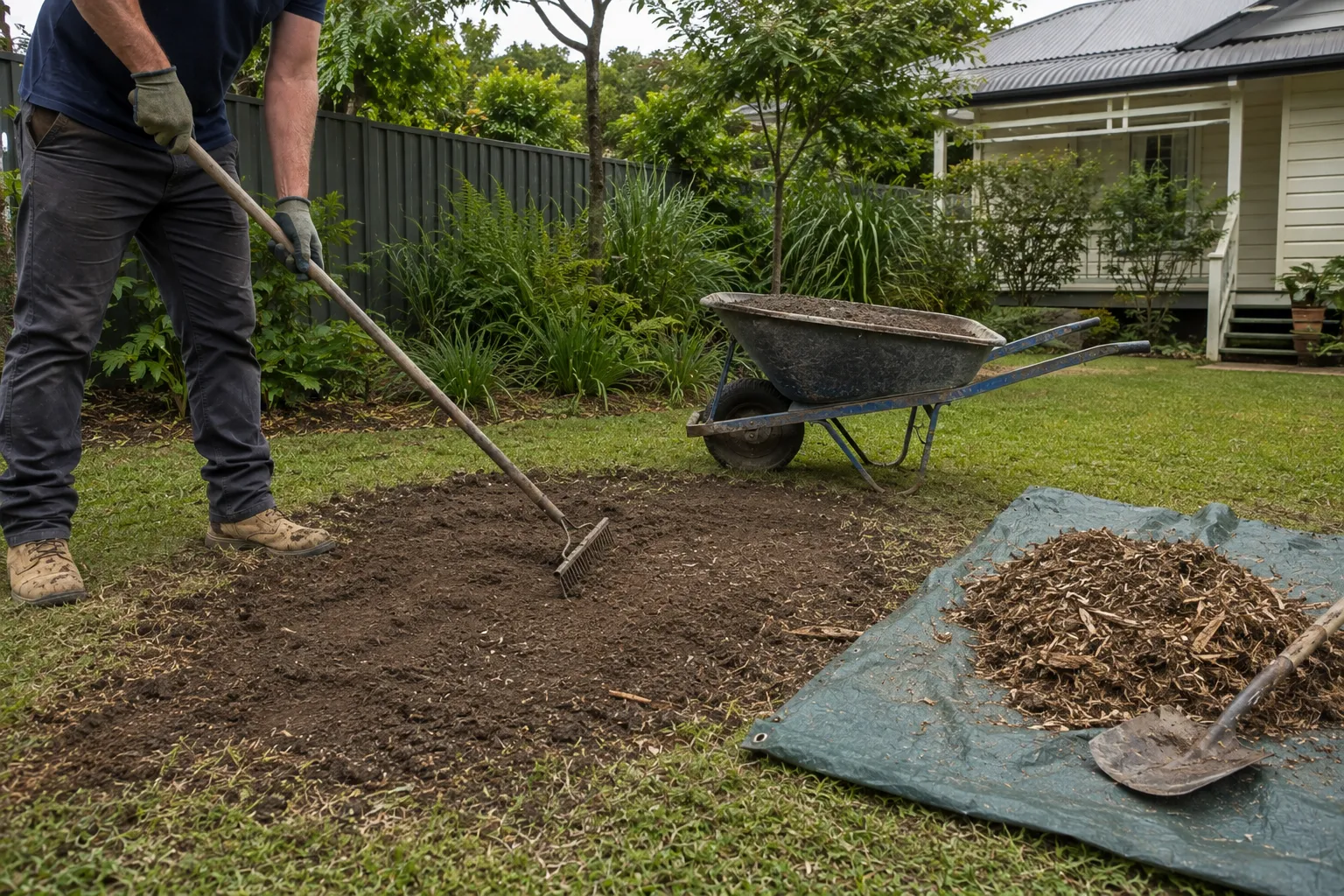
After stump grinding, the hole is typically left with a mixture of wood chips, sawdust and soil. What happens next depends on how the area will be used. For lawns and garden beds, some material can be left to decompose naturally, while areas planned for structures or paving may require more thorough removal.
For garden beds and lawn areas, remaining wood chips can decompose and add organic matter to the soil. Rake the area level, remove larger pieces and cover it with suitable topsoil before planting or laying turf.
Avoid planting directly into a deep layer of fresh grindings, as they can settle and temporarily affect nutrient availability as they decompose.
If the area will support a driveway, patio, shed or other structure, it is better to remove excess wood chips and larger woody roots. As this material decomposes, it can shrink and contribute to settlement beneath the finished surface.
The area can then be backfilled with suitable material and compacted as required for the planned construction.
Even when the area is landscaped, some settlement may occur as remaining roots and wood chips break down. Low spots can be corrected by adding topsoil and re-levelling the surface as needed.
Deciding how the stump grindings will be managed before work begins can help ensure the area is properly prepared for its intended use.
Tree roots left after stump grinding decompose and return organic matter to the soil, but the process can take several years. Some may produce new shoots, cause minor settlement or affect future planting and hardscaping, so understanding how the remaining roots behave helps determine whether further grinding, excavation or soil preparation is needed.
Lance's Tree Care takes a long-term approach to stump grinding, ensuring the area is considered not only for immediate clearance but also for its future use, whether that involves planting, lawn or landscaping.


