Timing can be the difference between a straightforward tree removal in Tamborine Mountain and a costly, stressful problem. In a unique climate, trees grow quickly, face intense storms and are subject to strict local regulations. Homeowners and property managers often sense that a tree is becoming risky but are unsure when it truly needs to come down or how the seasons and council rules affect that decision. In this article, Lance's Tree Care explores how safety, seasonal conditions, tree health and legal requirements all come together to determine the best time to remove a tree.
You will learn how to recognise early warning signs that a tree may be dangerous, why certain times of year are safer or more efficient for removal, how weather patterns influence risk and access and what role council approvals and protected species laws play in timing. By understanding the key factors, property owners can choose the right moment to act to protect their homes and ensure that any removal work is carried out safely, legally and with long-term landscape health in mind.
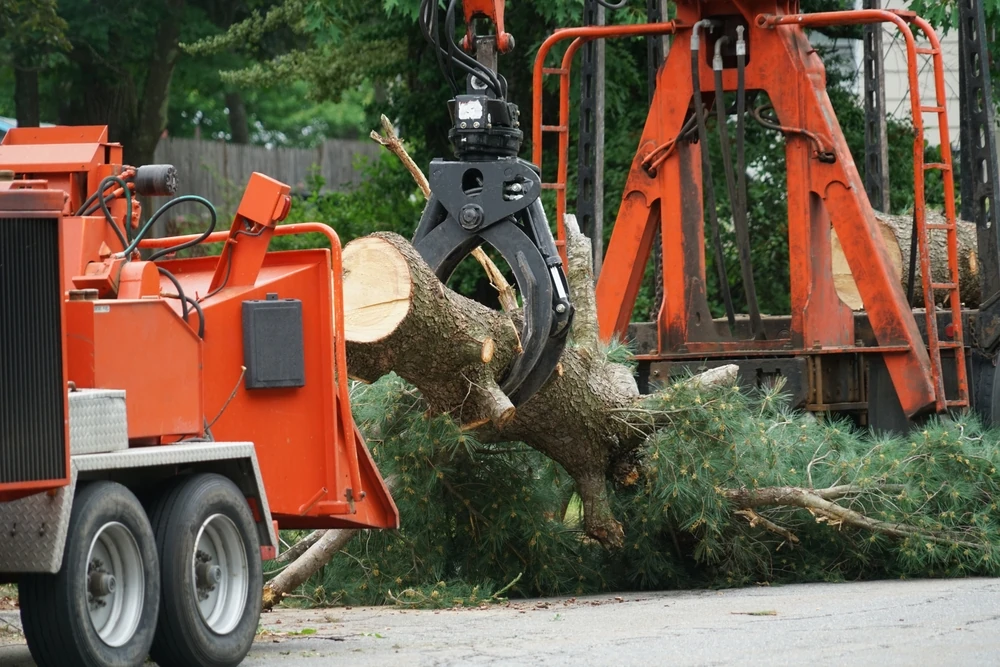
The “right” season for tree removal depends on the tree species, the local climate and the reason for removal. There is no single month that suits every tree, but there are clear seasonal patterns that help reduce stress on the tree and improve safety and access for the crew.
Arborists recommend timing removal for the cooler, drier months whenever possible. However, storm‑damaged or dangerous trees should be removed as soon as practical, regardless of season.
For most properties, late autumn through winter is the ideal window for planned tree removal. Temperatures are milder and there is typically less rainfall, which makes access easier and reduces the risk of machinery getting bogged.
Deciduous trees slow down in autumn and many enter dormancy in winter. While evergreen natives do not go fully dormant, they also experience reduced growth. Removing trees during this quieter growth phase generally means:
In winter, the canopy is often thinner on many species, so arborists have better visibility to assess structure and plan safe rigging points. This is useful in built‑up areas where branches overhang roofs, fences or powerlines.
Spring is a period of active growth and flowering. It can still be a suitable time for removal, particularly if:
However, there are some drawbacks. Many species put energy into new growth and flowering in spring. Removing a healthy tree at this time may impact surrounding wildlife that is relying on blossoms, fruit or nesting sites.
Summers bring storms, high humidity, and in many regions, very heavy rainfall. As a result, summer is rarely the first choice for non‑urgent tree removal. Ground conditions can be soft, branches may be slippery, and high winds or lightning risk can delay work.
Despite this, summer is a peak period for emergency removals. Trees that have failed in storms are often unstable and must be dealt with immediately to protect people, property and power infrastructure. In these cases timing is dictated by safety, not by the calendar.
For large removals in cyclone- or storm‑prone areas, experts may advise proactive work in late winter or early spring so risky trees are dealt with before the worst of the weather arrives.
A tree removal permit may be required depending on the location of the property, the type and size of the tree and the reason for removal. It is not safe to assume that a tree can be removed just because it is on private land. Failing to check the rules first can lead to fines and delays.
Arborists suggest confirming permit requirements before any work begins. In many cases, tree services can be carried out legally under exemptions, but these must match specific criteria set by local councils and state legislation.
Most permit rules come from local council vegetation protection laws, planning schemes or overlays. Whether a permit is needed usually depends on:
Each council sets its own height or trunk diameter thresholds and has its own list of protected species. Before removal, experts check the relevant council mapping and guidelines or advise clients to contact the council directly for written confirmation.
There are situations where a permit is often not required across much of Queensland. Typical exemptions are the following:
However, the exact definitions of emergency work, maintenance pruning and exempt species vary between councils. What one council treats as exempt, another may require an application for.
The first step is to identify the local council and check its website for sections called Tree Protection, Vegetation Management or Natural Assets. Most councils provide:
If the online tools are unclear, the property owner should phone the council and ask specifically about the address and the tree in question. For larger or boundary trees, it can be helpful to arrange a site inspection and gather photos, arborist reports or other supporting information that may assist with a permit application.
Fire risk is one of the biggest factors in deciding when to remove a tree. The timing is not only about the tree’s health or appearance but also about how that tree might behave in a bushfire or grassfire and how easily qualified arborists can work safely on site.
Professional arborists look at how close a tree is to the home or sheds, what species it is, how much dry fuel it creates and what the local fire danger period looks like. All of these points help decide whether removal should happen before fire season peaks or if it can safely be delayed.
Most of Queensland faces the highest bushfire risk from late winter through spring and into early summer, although the exact timing changes between coastal and inland areas. Dry, windy conditions combined with low humidity allow embers to travel further and make trees more likely to ignite.
If a tree is already a removal candidate and it stands close to the house, powerlines or access routes, it is usually safer to schedule removal before the local high-risk period begins. This is important in areas covered by a bushfire-prone area overlay or where neighbours rely on a single driveway for evacuation.
Local fire bans and heightened fire danger ratings can also restrict certain types of machinery or hot work. Planning means the crew can complete the job before tighter safety restrictions come into force, which reduces delays and avoids leaving a half-completed job as conditions worsen.
Not all trees present the same level of bushfire risk. Arborists consider how a tree might contribute to flame height, ember attack and radiant heat. Some species have high oil content or shed large amounts of dry bark and leaves, which can carry fire quickly to buildings.
Problem features include:
Where a tree with these characteristics already has defects such as decay, cracks or storm damage, removal is often prioritised before the hottest and driest months. In some cases, targeted pruning and fuel load reduction can manage the risk without full removal. But if the tree cannot be made safe or keeps dropping large volumes of dry material, taking it out before fire season is usually recommended.
Homeowners often wait until a tree is clearly dying or has already failed before considering removal. In reality, there are many earlier warning signs that a tree may be unsafe or unsuitable for its location. Knowing what to look for helps property owners act before the risk increases or storm season exposes hidden weaknesses.
Trees should be assessed by looking at their health, structure and location. In Queensland’s climate, trees can grow quickly and are often exposed to intense storms, high winds and periods of drought, so problems can develop faster than many people realise.
Structural problems are a major reason for removal because they affect how a tree will behave in strong winds. A tree that is leaning more than it used to lean or that has recently started to list after heavy rain or strong winds may have root failure or soil movement. Freshly cracked soil or lifted turf on one side of the trunk is a serious red flag.
Large cracks in the trunk or main branches are another concern. Vertical splits, cavities that collect water or bark that is pulling away can indicate internal decay. In species common across South East Queensland, such as eucalypts and leopard trees, heavy, overextended limbs that sit over roofs, driveways or play areas can be particularly hazardous if the attachment points are narrow or V-shaped.
A tree that is unhealthy is more likely to shed branches or fail during storms. Canopy thinning, where the tree carries far fewer leaves than similar trees nearby, is a key indicator. Dead branches in the upper canopy, often called dieback, show that parts of the tree are already failing.
Other signs of decline include:
Many native gums can hide internal decay while still looking relatively green.
Sometimes, a tree is generally healthy but is simply in the wrong place. Trees that interfere with powerlines, built structures or underground services may need to be removed if pruning cannot provide enough clearance. Large species planted too close to houses can damage foundations or plumbing through aggressive root systems.
Trees that block safe vehicle sight lines near driveways or corners, or that drop heavy fruit or large seed pods in busy areas, can also be candidates for removal when they create unacceptable risk. In bushfire-prone parts, dense vegetation very close to buildings may increase fire risk, and removal can form part of a broader hazard reduction plan.
Choosing the best time to remove a tree is about more than just picking a date on the calendar; it’s about safety, compliance, tree health and long‑term value for your property. Seasonal conditions, storm and bushfire risk, wildlife activity, local council regulations and the tree’s structural integrity all play a part in determining when removal should happen and how it should be done. Acting early, as soon as you notice signs of decline, structural weakness or interference with buildings and services, almost always leads to safer work, lower costs and better outcomes for surrounding trees and gardens. A well‑timed, professionally managed removal protects people and property today, while helping ensure your garden and landscape remain healthy, attractive and resilient for many years to come.


